.svg)

Get started Alarmy
by scanning the QR code
by scanning the QR code

%201.svg)
If you have narcolepsy, mornings can feel like a battle you keep losing. You set 5, 10, even 12 alarms, but the sound either doesn't register or you turn them off and fall right back asleep. Being late to meetings, missing appointments, and hearing people say "you just need more willpower" chips away at your confidence over time.
But narcolepsy isn't a willpower problem. It's a neurological condition caused by a deficiency of hypocretin, a neurotransmitter that helps your brain stay awake.
The hallmark symptom is excessive daytime sleepiness. Even after a full night's rest, overwhelming drowsiness hits during the day. In more severe cases, you may experience cataplexy — a sudden loss of muscle tone. Some people also have hallucinations when falling asleep or sleep paralysis.
Medications like wakefulness-promoting agents and antidepressants are commonly prescribed for narcolepsy, but they rarely control symptoms completely on their own. There are gaps in coverage throughout the day, and if your lifestyle is irregular, the medication's effectiveness can become unpredictable. That's why specialists recommend combining medication with daily lifestyle routines for narcolepsy management.
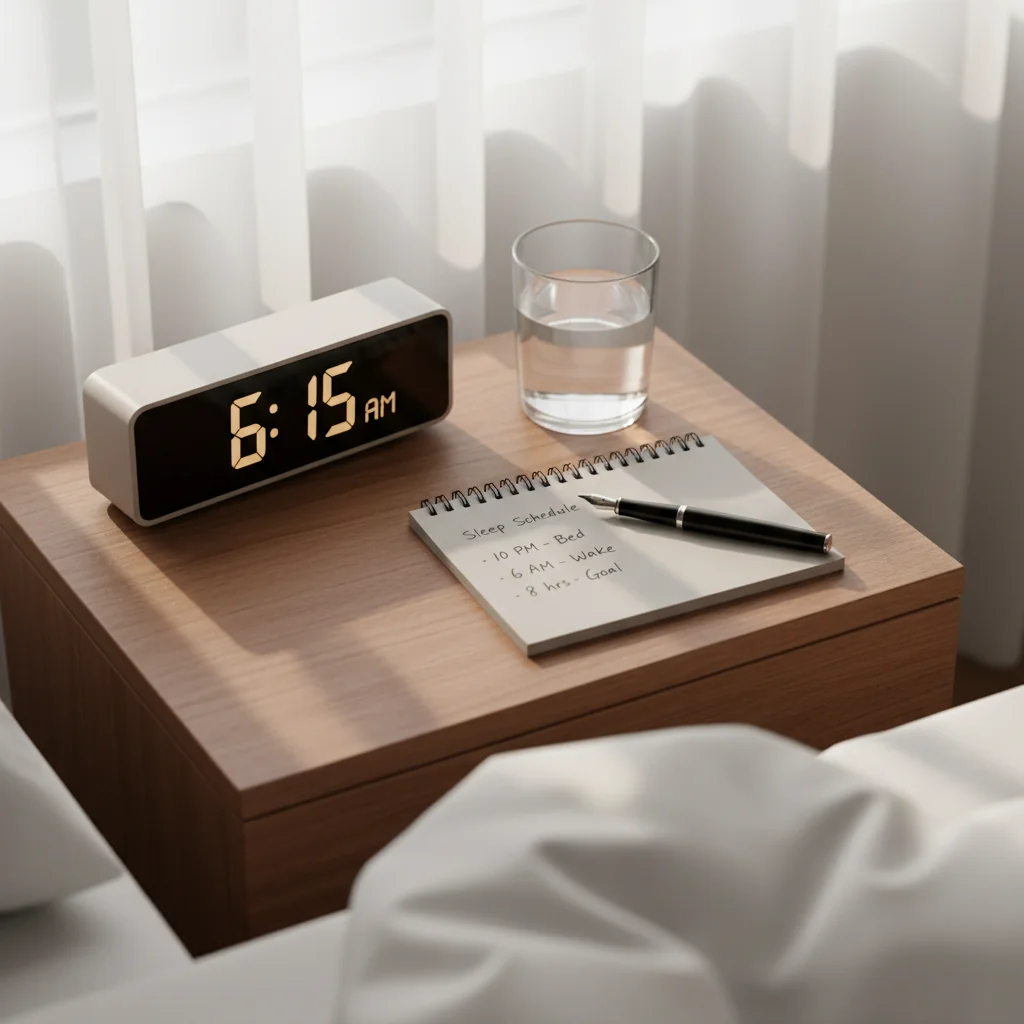
The most important first step in building a narcolepsy routine is going to bed and waking up at the same time every day. When your sleep-wake cycle becomes consistent, your brain develops a predictable rhythm, which can reduce both the intensity and frequency of daytime sleepiness. On the flip side, varying your bedtime and wake-up time day to day only adds more disruption to an already unstable sleep system.
The key is keeping your wake-up time the same on weekends as it is on weekdays. It'll be tough at first, but give it 2 to 3 weeks and your body starts to adjust. Try to keep your bedtime within a 30-minute window as well. Dimming the lights and putting screens away before bed can also make it easier to fall asleep.
For people with narcolepsy, napping isn't laziness — it's strategy. A short nap relieves built-up sleep pressure and can help you stay alert for the next 2 to 3 hours. The key is keeping it to 15–20 minutes. Go past 30 minutes and you risk entering deep sleep, which can leave you feeling groggier than before.

Scheduled naps tend to be more effective than waiting until drowsiness hits. The generally recommended windows are between 10–11 AM and 2–3 PM. If you're at work or school, using your lunch break or setting an alarm during a short break is a practical approach.
Caffeine is a double-edged sword when it comes to narcolepsy lifestyle management. In moderate amounts during the morning or early afternoon, it can help maintain alertness. But caffeine later in the day can interfere with nighttime sleep. When it comes to eating, smaller and more frequent meals work better than large ones. Carb-heavy meals can cause blood sugar spikes and crashes that make daytime sleepiness even worse.
Regular exercise improves nighttime sleep quality and supports daytime alertness. Just avoid vigorous workouts within 3 to 4 hours of bedtime. Getting 15 to 30 minutes of natural sunlight in the morning also helps stabilize your internal clock. Combining light exposure with a short walk gives you the best of both worlds.
For people with narcolepsy, getting out of bed each morning is the biggest daily challenge. Here's what one Alarmy user with narcolepsy shared:
"I have narcolepsy and really struggle with waking up and staying up. I only have to set 3 alarms with Alarmy which is better than my 12 with the regular Apple alarms. The little math problems are enough to pull me out of my sleep and get up. It's truly near impossible for me to sleep through an alarm now."
This user couldn't wake up with 12 regular alarms but succeeded with just 3 mission-based alarms featuring math problems. Mission alarms don't just rely on sound — they require you to solve a problem before the alarm turns off, forcing your brain into an alert state. For people with narcolepsy who struggle to emerge from deep sleep, this approach is especially effective.
Effective narcolepsy management starts with understanding your own sleep patterns. Tracking your sleep time and quality each night provides valuable data for discussions with your doctor. Setting a bedtime reminder also makes it much easier to maintain a consistent sleep routine. You can even set timers for your strategic nap windows.

While narcolepsy currently has no cure, combining structured daily routines with the right tools can meaningfully improve your quality of life. Start tonight by going to bed at the same time — it's the first step.
* This article is for informational purposes only and does not replace professional medical advice. Always consult a healthcare provider for health-related decisions.