.svg)

Get started Alarmy
by scanning the QR code
by scanning the QR code

%201.svg)
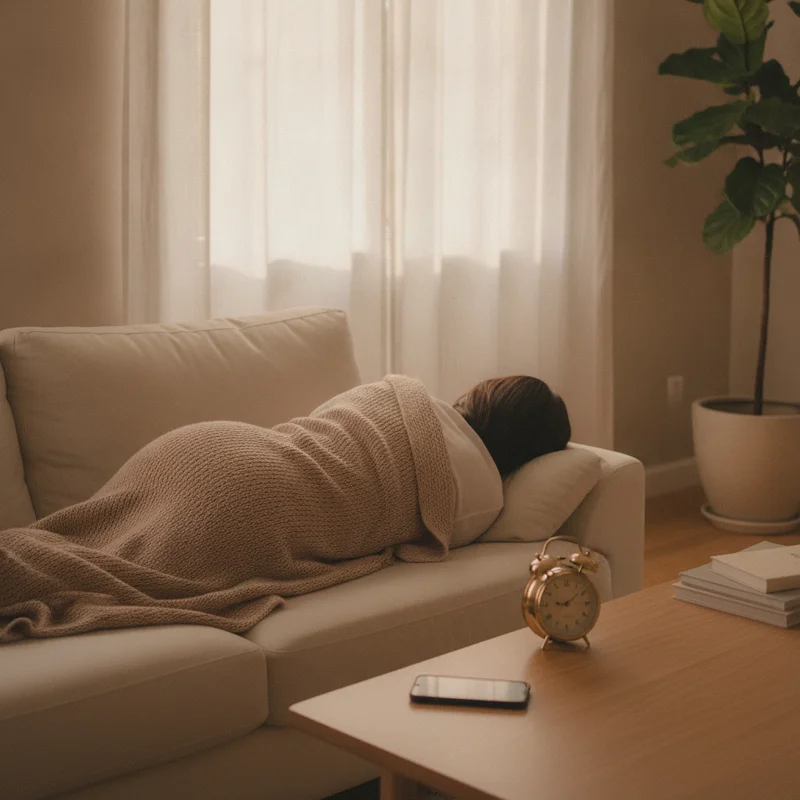
For most people, the ideal nap is 10 to 20 minutes. That length restores alertness and focus while keeping you out of deep sleep, so you wake up clear-headed instead of groggy. Longer naps can help in specific situations, but only at certain lengths, and timing matters as much as duration.
Here's the catch, though. If 20 minutes feels good, shouldn't an hour feel even better? That logic is how so many of us end up waking from a "quick nap" feeling worse than before we lay down: heavy, disoriented, and somehow more tired.
The difference between a nap that recharges you and one that wrecks your afternoon usually comes down to length. This guide compares the three main nap durations, explains why the middle zone backfires, and shows you a caffeine trick that makes short naps work even harder.
Not all naps do the same job. Your brain moves through progressively deeper stages of sleep, so where your alarm lands in that sequence decides how you feel when you open your eyes.
A nap this short keeps you in the lightest stages of sleep. You get a measurable boost in alertness, mood, and concentration. And because you never reach deep sleep, you can get up and go almost immediately. This is the right power nap length for a workday, a study break, or any afternoon slump.
Somewhere around the 30-minute mark, your brain starts sliding into deep sleep. Wake up in the middle of it and you get the opposite of what you wanted: fogginess that can linger long after you're up. Unless you can extend the nap to a full cycle, this window is the one to avoid.
A 90-minute nap completes one full sleep cycle, from light sleep through deep sleep and REM, according to the Sleep Foundation. You end back in a lighter stage, which is why waking at that point feels far gentler than waking at minute 45. Save this option for days when you're seriously short on sleep and have the time to spare.
That heavy, disoriented feeling has a name: sleep inertia. It happens when an alarm pulls you out of slow-wave sleep, the deepest stage, before your brain has finished the cycle it started.
During slow-wave sleep, brain activity slows dramatically, as the National Institute of Neurological Disorders and Stroke explains. Interrupt it, and parts of your brain essentially lag behind while the rest of you tries to function. Reaction time, memory, and decision-making all take a temporary hit.
This is why a 45-minute nap can leave you feeling worse than no nap at all. It's also why deep sleep is best protected for nighttime, when you can complete full cycles. If you're curious what a healthy amount looks like, here's how much deep sleep you actually need each night.
It sounds backwards, but drinking coffee right before a nap is one of the most effective alertness tricks you can pull off in 25 minutes.
Caffeine doesn't hit instantly. After you drink it, it takes roughly 20 minutes to absorb, per the Sleep Foundation. That's when it starts blocking adenosine, the chemical that builds up in your brain and makes you feel sleepy. A short nap fills that gap perfectly: you clear some adenosine by napping, and the caffeine kicks in just as your alarm goes off.

Length is the biggest lever, but a few ground rules protect both your nap and your night sleep.
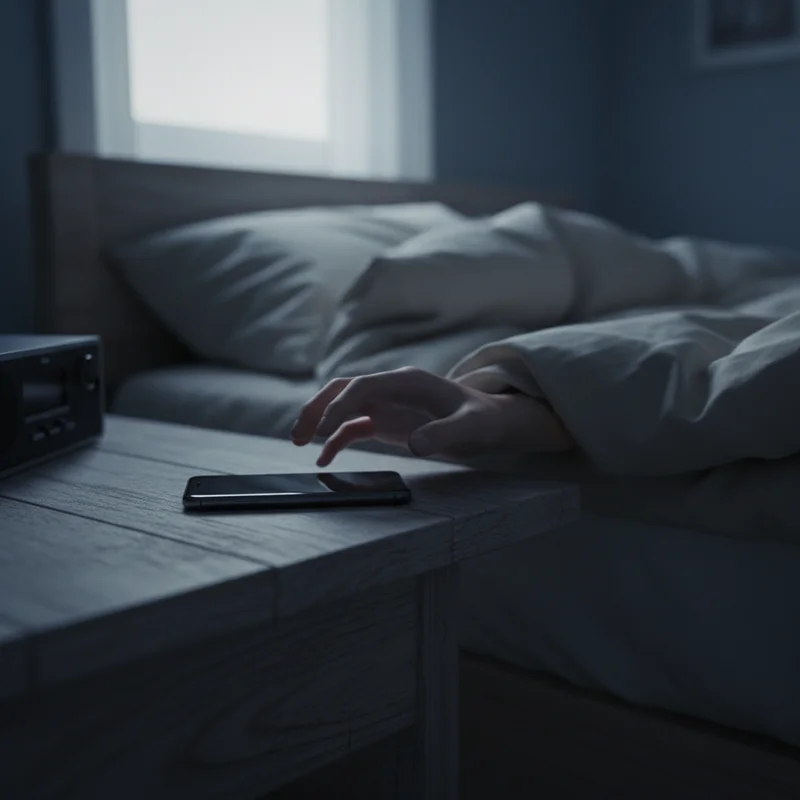
That last rule is where most naps fall apart, because half-asleep you will happily dismiss an alarm and roll over. This is where a mission alarm helps. Alarmy keeps ringing until you solve a quick math problem or snap a photo of your desk, which pushes your brain past the snooze reflex. For lighter 10-minute rests, a gradually rising gentle sound may be all you need to surface on time.
Used this way, short naps become a real tool for managing tiredness, though they work best alongside decent nighttime sleep rather than instead of it. We've covered that trade-off in our post on whether you can catch up on sleep debt over the weekend, which includes a section on strategic napping.


It's a gamble. Thirty minutes is right at the edge of deep sleep, so some people wake up fine while others surface groggy. If you tend to fall asleep quickly, trim it to 20 minutes; if you take a while to drift off, a 30-minute window may still land you in light sleep.
The 10-to-20-minute guideline holds for both. Students cramming on too little sleep may get more from a 90-minute full-cycle nap, since it includes deep sleep and REM. Just schedule it early enough that it doesn't push bedtime back.
Not quite. People who are highly sensitive to caffeine may struggle to doze off even within the 20-minute window. Anyone napping late in the day should also skip the coffee so it doesn't disturb night sleep. In both cases, a plain 20-minute nap with an alarm still covers most of the benefit.
* This article is for informational purposes only and does not replace professional medical advice. Always consult a healthcare provider for health-related decisions.