.svg)

Get started Alarmy
by scanning the QR code
by scanning the QR code

%201.svg)
Is there really one best alarm sound that wakes everyone up the same way? Probably not. The same gentle melody that nudges your friend out of bed at 6 AM might be the exact reason you slept through three meetings.
Most people end up at one of two failure modes. The first: lullaby alarms or soft acoustic loops you barely register, so you snooze your way past the bus. The second: a max-volume siren that yanks you upright with a pounding heart and a sour mood that lingers for an hour.
Neither extreme is the answer. The right pick depends on how deeply you sleep, what wakes your brain up cleanly, who else shares the room, and how long you've been using the same tone. If you've ever wondered why your alarm stopped working on you, the tone you chose is half the story.
This guide walks through how alarm sounds actually work, then matches six common sleeper profiles to four ringtone categories you can pull from inside Alarmy.
Before picking a tone, it helps to understand why some alarms stop working after a few weeks. Three patterns show up in almost every wake-up story.
Your brain learns to filter out repeating sounds. The longer you use one alarm, the faster it gets categorized as background noise. Even a tone that woke you up reliably in week one can fade by week three. That's why rotating tones every two to three weeks is a real fix, not just variety for fun.
A gradual volume ramp eases you out of light sleep without triggering a stress response. It works well if you're a light sleeper who already wakes up before your alarm anyway. An abrupt loud start can punch through deep sleep, which helps if you've slept through quieter alarms before. The trade-off is a rougher start on your nervous system as a daily default.
Pure tones (chimes, beeps, melodies) are easy for a half-asleep brain to ignore. A clear human voice or a direct message engages language processing, which seems to pull people awake faster. This is observation from how Alarmy users describe their picks, not a medical claim, but it shows up consistently.
Here's a quick map from sleeper profile to tone category. The categories link to actual sections inside Alarmy's video alarm library.
If you've slept through five alarms set five minutes apart, soft tones aren't going to fix anything. Heavy sleepers do better with motivational voice alarms like "Wake Up You Lazy Alarm" or "Wake Up Scream Alarm," which carry an actual message your brain has to process. When even voice isn't enough, the loud category ("Air Raid," "Lab Emergency Escape," "End of the World") is built for that exact problem. Pair either with a wake-up mission so the alarm can't be auto-dismissed.
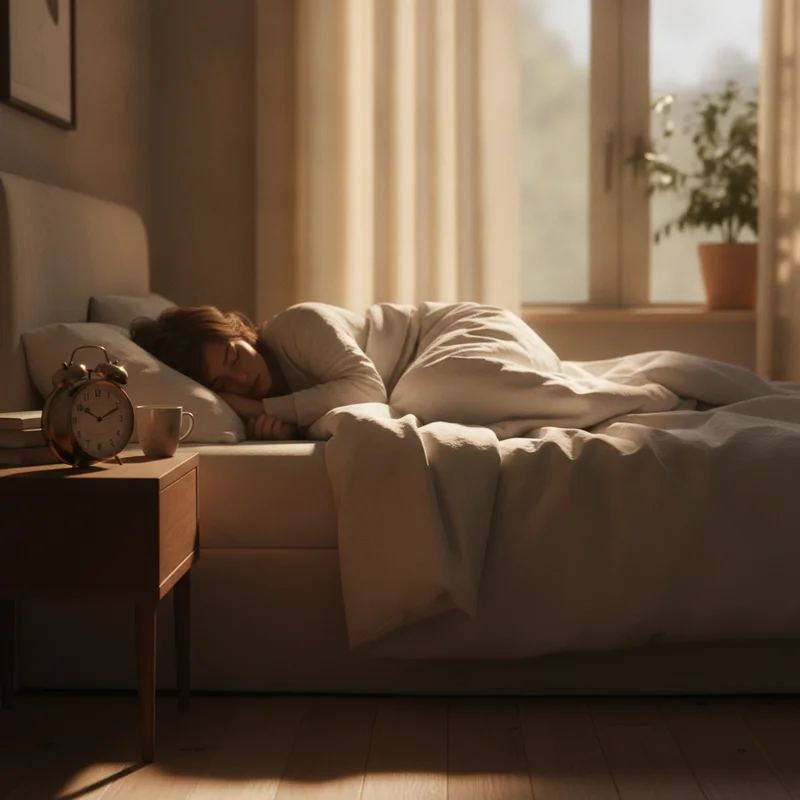
If you're already half-awake when your alarm fires, a siren only spikes your morning anxiety. Scenery alarms like "Morning Birds Alarm," "Greenfields Alarm," or "Cherry Blossom Alarm" combine soft nature sounds with a calm visual cue. They wake you without flooding your system with cortisol, so the first ten minutes feel less like a fire drill.
If you're chronically running late and need a verbal kick rather than a buzz, motivational voice alarms work as a tiny morning briefing. "Go to Work Alarm" and "Awake for Success Alarm" are direct enough to skip the negotiation phase your brain runs at 7 AM. Stick to one for a couple of weeks, then swap so it doesn't fade.
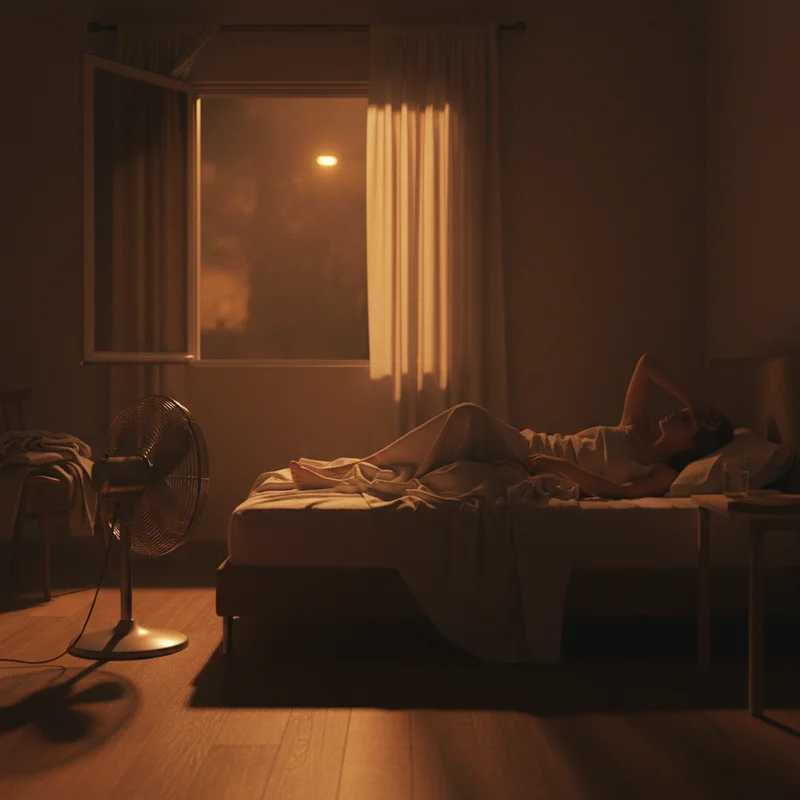
A blasting siren wakes everyone except the person it's aimed at. For shared rooms, a softer scenery tone like "Peaceful Morning Alarm" combined with vibration or earbuds is a better default. Alarmy's earphone alarm option routes the sound to wired or Bluetooth headphones, so your partner stays asleep while you don't.
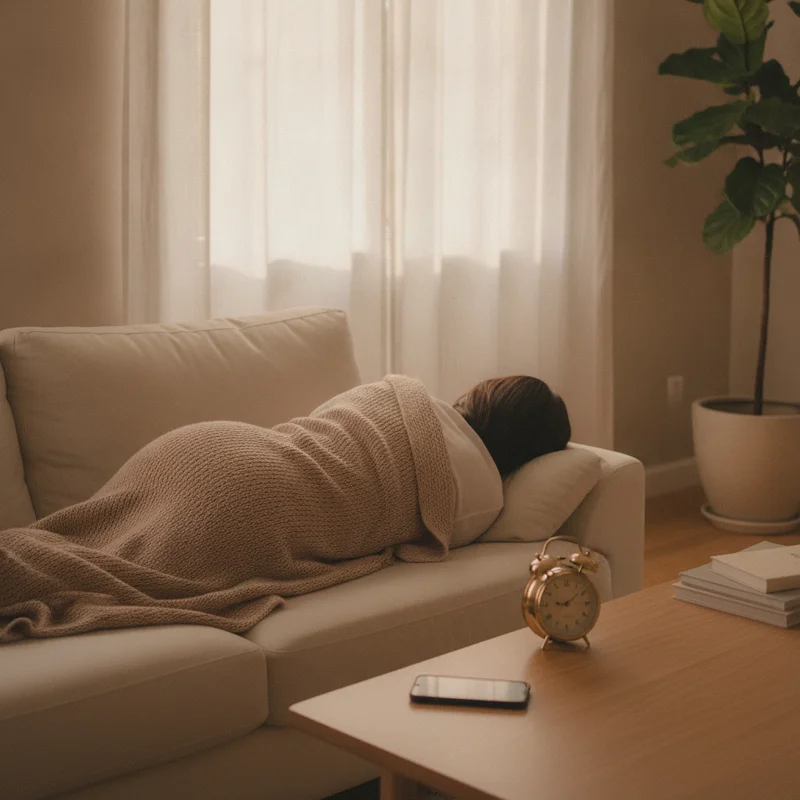
If you're trying to wake up earlier than your body wants, a single tone won't carry the routine. A scenery video alarm gives you a visual cue the moment you open your eyes, and pairing it with a mission (math, photo, shake) forces the conscious switch your willpower can't always handle alone. The scenery plus mission combo does the real lift.
If your problem isn't waking up but starting the day in a sour mood, the "other" category exists for that. "Golden Retriever Alarm," "Get Up Hooman Alarm," and "DJ Cat Alarm" are softer entry points. Use them on weekends or low-stakes mornings, not on the day of a presentation.
Inside Alarmy, the video alarm library is split into four categories. Knowing what each one is built for makes picking faster. Each category below includes a representative alarm you can preview right here.
Voice messages with a direct push. Examples: "Wake Up You Lazy Alarm," "Go to Work Alarm," "Awake for Success Alarm," and "Brain Hertz Alarm." Best when a buzzer fades into background noise and you need words your brain has to actually parse.
Sirens, megaphones, alarm-clock noise. Examples: "Air Raid," "Fire Alarm Alarm," "Lab Emergency Escape," "Heartbeat Warning," and "End of the World." This is the category for heavy sleepers who need a louder cue, and for must-wake mornings (flights, exams, early shifts).
Short video alarms with calm visuals and natural sound. Examples: "Morning Birds Alarm," "Greenfields Alarm," "Cherry Blossom Alarm," "Peaceful Morning Alarm," and "Morning Drive Alarm." Good for light sleepers and shared rooms, and for anyone whose mornings already start tense.
Characters, pets, fortune themes. The fun-leaning bucket. Examples: "DJ Cat Alarm," "Sea Otter Alarm," "Quoka Alarm," "Baby Rabbit Alarm," and "Wake Smile Alarm." Best as a weekend or low-pressure pick, or as a weekly rotation buddy when your main alarm starts losing power.
A great alarm tone is not a permanent setting. Three small habits keep it working.
A well-matched alarm tone won't transform your morning by itself, but it can shift the first 5 to 15 minutes from "fighting the day" to "starting the day." Listen through the video alarm library and pick by your sleeper type, not by what's most popular.