.svg)

Get started Alarmy
by scanning the QR code
by scanning the QR code

%201.svg)
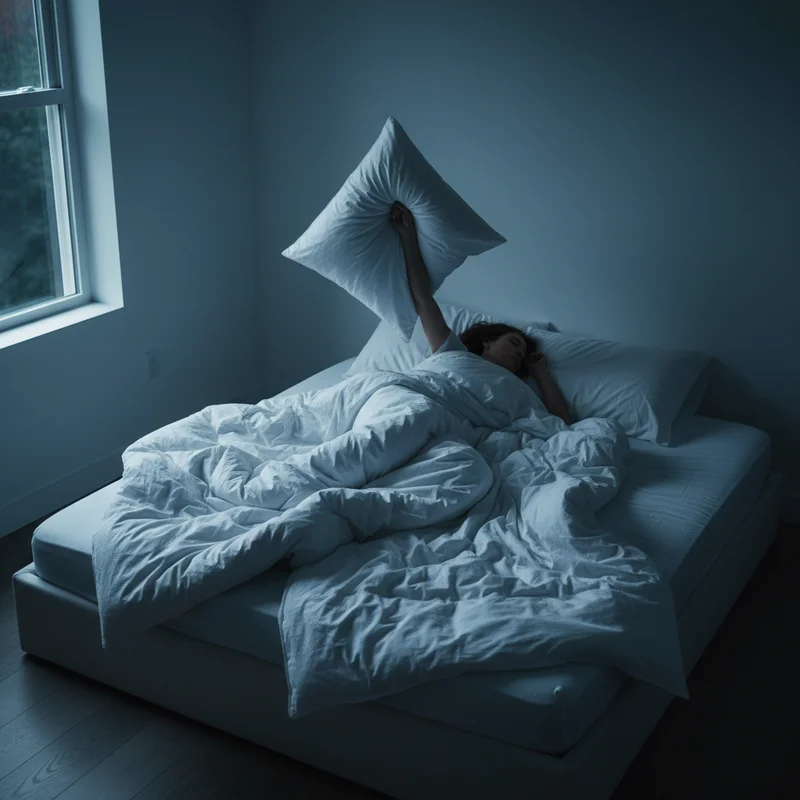
You fell asleep peacefully — but sometime around 2 AM, your partner says you started mumbling about a meeting you don't remember having. Or maybe you woke up with a sore jaw and no idea why. Sleep is supposed to be the quiet part of your day, yet your body often has other plans.
From sleep talking to involuntary jerks, these nighttime behaviors are more common than most people realize. The tricky part is knowing which ones are harmless quirks and which ones deserve a conversation with your doctor. This guide breaks down five phenomena your body pulls off while you're unconscious, what triggers them, and when to pay closer attention.
Sleep talking (somniloquy) is a parasomnia — an unwanted behavior that occurs during sleep. It happens when the brain partially activates speech centers while the rest of the body stays in sleep mode, most commonly during transitions between NREM and REM stages. According to the American Academy of Sleep Medicine, up to 66% of people have experienced sleep talking at some point.
Stress and sleep deprivation are the two most frequent triggers. When you're overtired, the boundary between sleep stages becomes less stable, making partial arousals — including speech — more likely. Fever, alcohol consumption, and certain medications can also increase episodes. In rare cases, frequent and intense sleep talking may be linked to REM sleep behavior disorder, particularly in older adults.
Occasional mumbling or brief phrases during sleep are considered normal and don't require treatment. If sleep talking becomes nightly, involves shouting or emotional outbursts, or is accompanied by physical movements like kicking or flailing, it's worth discussing with a sleep specialist. These patterns could signal an underlying condition that benefits from proper evaluation.
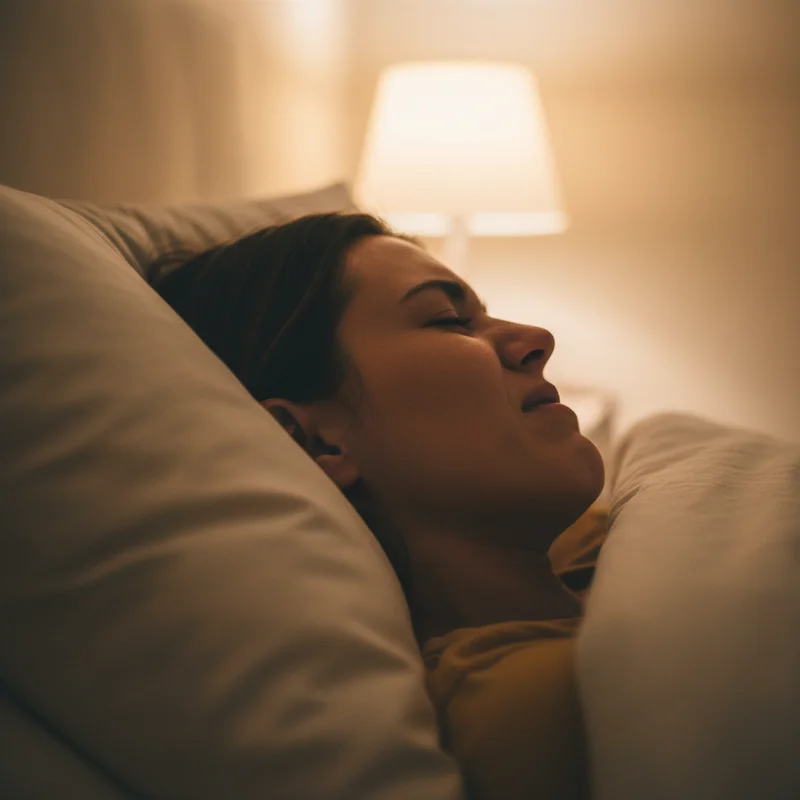
Bruxism is the repetitive clenching or grinding of teeth during sleep. Many people don't realize they do it until a dentist spots worn enamel or a partner mentions the sound. The Sleep Foundation estimates that sleep bruxism affects about 13% of adults.
Psychological stress is the most well-documented driver. Your jaw muscles tense as part of a broader stress response, and during sleep, that tension can translate into grinding. Misaligned teeth or an abnormal bite may also contribute, though research on this link is still evolving. Caffeine intake close to bedtime, smoking, and certain antidepressants (particularly SSRIs) have been associated with higher bruxism rates as well.
Waking up with jaw pain, headaches concentrated around the temples, or increased tooth sensitivity are the classic warning signs. If left unaddressed, chronic bruxism can crack teeth, damage dental work, or contribute to temporomandibular joint (TMJ) disorders. A dentist can fit a custom night guard, and if stress is the root cause, addressing it through relaxation techniques or therapy often reduces grinding frequency.
Almost everyone has experienced it: you're drifting off and suddenly your whole body jolts, sometimes accompanied by a sensation of falling. These are hypnic jerks (also called sleep starts), and they happen during the transition from wakefulness to stage 1 NREM sleep.
The leading explanation is that as your muscles relax during sleep onset, the brain briefly misinterprets this relaxation as falling. It fires a quick burst of muscle activity — essentially a false alarm. Another theory suggests that the reticular activating system, which keeps you alert during the day, occasionally "fights back" against the sleep process before fully shutting down.
Caffeine and stimulants within a few hours of bedtime make hypnic jerks more frequent. Severe sleep deprivation has the same effect — when the brain is exhausted, the transition into sleep is less smooth. Keeping a consistent sleep schedule, limiting caffeine after early afternoon, and avoiding intense exercise right before bed can all help. Hypnic jerks are considered benign, so if they happen occasionally, there's no reason to worry.
These two conditions often get grouped together, but they're distinct problems with different mechanisms.
Restless leg syndrome (RLS) creates an uncomfortable urge to move your legs, usually accompanied by tingling, crawling, or aching sensations. Symptoms typically intensify during rest and in the evening. Sleep-related leg cramps, by contrast, are sudden, involuntary muscle contractions — usually in the calf — that cause sharp pain lasting seconds to minutes. RLS is a neurological condition linked to dopamine regulation, while cramps are muscular and often tied to dehydration, mineral imbalances, or prolonged inactivity.
For RLS, moderate daily exercise (not close to bedtime), reducing caffeine, and checking iron levels with your doctor are common first steps. Some people find relief with leg massage or warm baths before sleep. For nighttime cramps, staying hydrated throughout the day, gentle calf stretches before bed, and ensuring adequate magnesium and potassium intake can reduce frequency. If either condition disrupts your sleep several nights per week, a medical evaluation is worthwhile — RLS in particular may respond well to prescription treatment.

Many of these sleep behaviors are occasional and harmless. The real challenge is recognizing when "occasional" becomes "frequent enough to matter."
Keeping a record of when disturbances happen — and how often — transforms vague concerns into useful data. Alarmy's sleep analysis feature can track your sleep cycles, total sleep time, and even record sounds during the night. Over a few weeks, patterns emerge: maybe your teeth grinding spikes on stressful workdays, or hypnic jerks cluster when you've been sleeping less than six hours.
If you decide to see a specialist, concrete data makes the conversation far more productive. Bring notes on symptom frequency, timing, and any lifestyle factors that seem to correlate. A solid understanding of your sleep stages and a consistent bedtime routine can also help you contextualize what you're experiencing. Doctors rely on patient history as a primary diagnostic tool — the more specific your observations, the better.

In most cases, no. Occasional sleep talking is a common parasomnia that doesn't indicate a disorder. If it's frequent, loud, or accompanied by other behaviors like sleepwalking or violent movements, consult a sleep specialist to rule out conditions like REM sleep behavior disorder.
Yes, chronic bruxism can wear down enamel, crack teeth, and damage existing dental work over time. Early detection through regular dental checkups is the best prevention. A night guard can protect your teeth while you address the underlying cause.
No. Hypnic jerks are a normal part of the sleep onset process and are not harmful. They tend to increase with caffeine use, stress, and sleep deprivation. Reducing these factors usually decreases their frequency.
If restless leg symptoms occur more than twice a week and interfere with your ability to fall or stay asleep, schedule an appointment. Your doctor may check iron levels and evaluate whether medication or lifestyle adjustments could help.
* This article is for informational purposes only and does not replace professional medical advice. Always consult a healthcare provider for health-related decisions.