.svg)

Get started Alarmy
by scanning the QR code
by scanning the QR code

%201.svg)

Magnesium glycinate has become the supplement everyone on TikTok suddenly takes before bed. The pitch is simple: pop a capsule, drift off, wake up rested. The reality is more interesting, and a lot more useful if you actually want to sleep better.
Magnesium is a cofactor in roughly 300 enzymatic reactions, and a handful of them sit right at the intersection of "wired brain" and "calm brain." It binds to GABA receptors, the same family targeted by anti-anxiety medications, and gently nudges your nervous system toward the brake pedal. At the same time, it blocks NMDA receptors, which dial down the glutamate-driven excitatory signals that keep your mind racing at 1 a.m.
There's a physical layer too. Magnesium relaxes smooth and skeletal muscle, which is why people deficient in it often deal with cramps, twitches, and that restless feeling in their legs. It also nudges you toward parasympathetic dominance — the "rest and digest" mode your body needs to fall asleep cleanly.
Bottom line: magnesium calms the nervous system and the body at the same time, which is why it shows up in so many sleep stacks.
Here's where things get less exciting than the supplement aisle suggests. Magnesium is real, the mechanisms are real, but the size of the sleep effect in healthy adults is modest at best.
A 2022 systematic review published in BMC Complementary Medicine and Therapies looked at randomized trials of oral magnesium for insomnia in older adults and found small improvements in sleep latency and sleep time, but the authors flagged the evidence quality as low (PubMed). The Sleep Foundation's review of the literature reaches a similar conclusion: magnesium may help, especially if you're not getting enough, but it's nowhere near a prescription sleep aid in effect size (Sleep Foundation).
The interesting wrinkle is deficiency. The NIH Office of Dietary Supplements estimates that nearly half of Americans consume less than the recommended amount of magnesium from food (NIH ODS). If you're in that group, supplementing isn't really "boosting" sleep — it's correcting a gap that was probably hurting it.
That's the honest framing. Magnesium is a deficiency-corrector, not a wonder drug. If your diet already covers the basics and your sleep is broken because of stress, late caffeine, or a chaotic schedule, magnesium is unlikely to fix it on its own.
Bottom line: modest benefit overall, meaningful benefit if you're deficient, and no replacement for sleep hygiene.
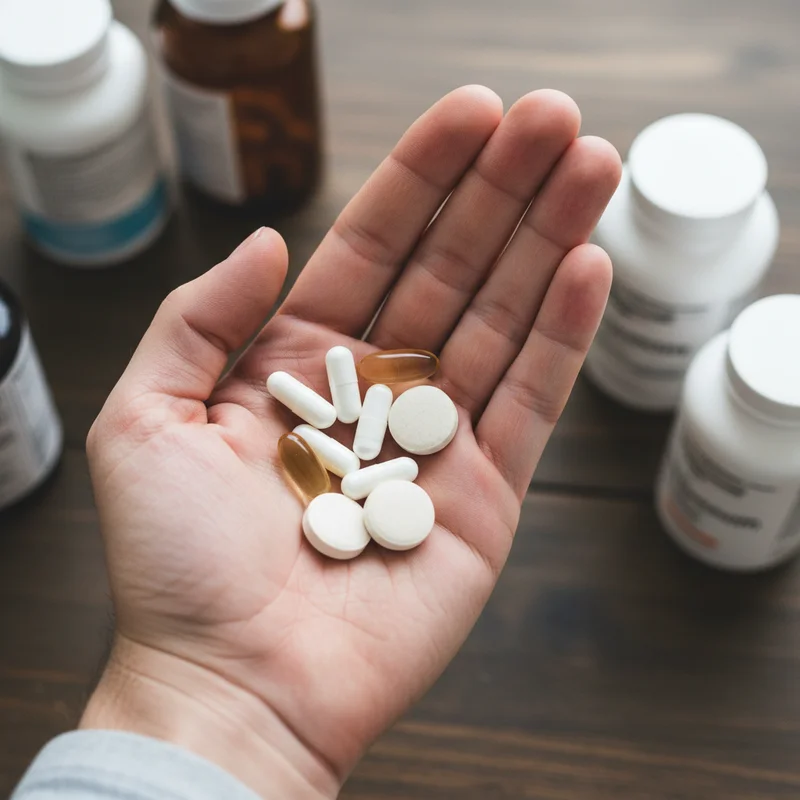
Walk into any pharmacy and you'll see five or six different magnesium compounds on the shelf, all priced differently and all claiming to help with something. They are not interchangeable. The form determines how much actually gets absorbed and how it feels in your stomach.
Glycinate is magnesium bound to glycine, an amino acid that itself has mild calming and sleep-supporting effects. The pairing is well absorbed, gentle on the gut, and the glycine adds a small bonus on top of the magnesium itself. Citrate is a perfectly reasonable alternative if glycinate is hard to find — just be aware that it has a mild laxative effect at higher doses, which some people use intentionally.
Threonate is the newest entrant and the most marketed. It's been studied for crossing the blood-brain barrier and improving cognitive measures in animals, but human sleep evidence is still thin and the price is steep. Malate is great for daytime energy support, which is exactly why you don't want it before bed. Oxide is the cheapest and the most common in drugstore multivitamins, but bioavailability is so low that most of it never reaches your bloodstream.
If you're comparing this to other sleep supplements, our evidence-based melatonin guide walks through a similar tradeoff between hype and real-world effect.
Bottom line: glycinate first, citrate as a backup, skip oxide for sleep purposes.
Most clinical trials on sleep use somewhere between 200 and 500 mg of elemental magnesium per night. For everyday use, 200–400 mg taken 30–60 minutes before bed is the standard sweet spot. Start at the lower end and only move up if you tolerate it well.
The NIH recommends 400–420 mg daily for adult men and 310–320 mg for adult women, including everything you eat (NIH ODS). Pumpkin seeds, almonds, spinach, black beans, and dark chocolate all carry meaningful amounts, so a supplement only needs to fill the gap, not deliver the whole day's quota.
Timing matters less than consistency. Take it with a small amount of water, ideally after dinner but before your wind-down routine, and do it at roughly the same time each night.
Bottom line: 200–400 mg, 30–60 minutes before bed, every night for at least two weeks.
Most people tolerate magnesium well, but a few things are worth flagging. Higher doses — especially of citrate or oxide — commonly cause loose stools or mild diarrhea. If that happens, lower the dose or switch to glycinate.
Magnesium can interact with several medications, including certain antibiotics (tetracyclines, quinolones), bisphosphonates, diuretics, and proton pump inhibitors used for reflux. If you take any of these regularly, talk to a pharmacist or doctor before starting.
People with reduced kidney function should not supplement magnesium without medical supervision, since the kidneys clear the excess. Pregnant readers and anyone with a chronic health condition should also check in with a clinician first.
Bottom line: low risk for healthy adults, but kidney issues and certain medications are real exceptions.
Supplement effects are notoriously hard to feel. The placebo response is real, expectations distort memory, and one good night can convince you something works when it doesn't. The fix is boring but powerful: measure.
Run a 2–4 week trial. Keep your bedtime and wake time as steady as you can, hold caffeine and alcohol roughly constant, and only change one variable — the magnesium. Sleep quality benefits, if they exist for you, tend to show up gradually rather than the first night.
Three numbers are worth watching: sleep onset latency (how long it takes you to fall asleep), deep sleep percentage, and the count of nighttime awakenings. The Alarmy sleep tracking feature records all three using its RespireSegNet breathing analysis, so you can compare a baseline week to a magnesium week and see whether your numbers actually move. If they don't, that's useful information too — most things you try won't work, and knowing it lets you stop spending money on them. For more context on what healthy deep sleep looks like, see our guide to how much deep sleep you actually need.
Magnesium is a complement to sleep hygiene, not a replacement for it. Run your trial, track the numbers, and let the data — not the TikTok comments — tell you whether it's worth keeping in your routine.

For most healthy adults, yes. Doses of 200–400 mg of glycinate or citrate are considered safe for nightly use. If you have kidney issues, take certain medications, or notice GI side effects, scale back or check with a clinician.
They do different jobs. Melatonin shifts your circadian timing and is most useful for jet lag or irregular schedules, while magnesium calms the nervous system and supports relaxation. Neither is dramatically more effective than the other for general insomnia, and the right pick depends on what's actually disrupting your sleep.
Some people notice subtle changes within a few nights, but realistic effects build over two to four weeks of consistent use. That's why a structured trial is a better test than judging it after one night.
In theory, yes. Pumpkin seeds, almonds, spinach, black beans, and whole grains are all rich sources, and the NIH RDA is reachable through diet in principle. In practice, surveys suggest a large share of adults fall short, which is why supplementation often helps in the first place.
* This article is for informational purposes only and does not replace professional medical advice. Always consult a healthcare provider for health-related decisions.